

The Role of Luck in Casino Games
When discussing casino games, luck is often the first aspect that comes to mind. Many games, such as slots and roulette, are entirely based on chance. In these instances, players have no control over the outcomes. For example, when a player spins the reels on a slot machine, the result depends entirely on a random number generator. This inherent randomness highlights how luck plays a pivotal role in these types of games, with fortunes fluctuating dramatically from one moment to the next, especially when using a neosurf deposit casino to make bets. Players often experience exhilarating highs and devastating lows, all dictated by luck.
Moreover, even in games that involve skill, such as poker, luck can significantly impact a player’s success. A player’s hand might be strong, but if they consistently receive unfavorable draws or their opponents hit lucky cards, it can alter the game’s outcome. This illustrates the unpredictable nature of gambling, where luck can turn the tide quickly. Many seasoned poker players recognize the importance of variance and how luck can tempt even the most skilled players on an off day. The emotional highs and lows tied to luck can deeply influence a player’s overall experience, shaping their approach to future bets.
As players engage in casinos, they must accept that while they may utilize strategies and skills, luck will always remain an unpredictable factor. This acceptance can affect a player’s approach regarding their expectations and betting behavior. When individuals embrace the idea that luck will play a role in their success, they may find themselves more level-headed and strategic, focusing on enjoying the experience rather than solely chasing winnings. This mindset can lead to more responsible gambling practices, as players may be less likely to chase losses when they understand that luck is a significant factor.
The Importance of Skill in Casino Success
While luck undoubtedly influences casino outcomes, skill remains a critical component of long-term success. Games like blackjack and poker require knowledge and strategy, allowing skilled players to maximize their chances of winning. In blackjack, for instance, understanding basic strategy and knowing when to hit, stand, or double down can reduce the house edge significantly. Such expertise illustrates how skillful decision-making can lead to better outcomes over time. Players who invest time in learning these strategies often find themselves enjoying the game more and winning more consistently.
Furthermore, skilled players in poker can read opponents and make informed decisions based on their observations. Professional players often study betting patterns and body language to gain an edge. This level of skill can lead to consistent winnings, unlike games that rely solely on luck. Over a large number of hands, the skillful player is likely to outperform those who rely solely on chance. Additionally, the ability to manage emotions and maintain composure during high-stakes moments is a hallmark of a skilled player, allowing them to make sound decisions even under pressure.

The importance of skill doesn’t just apply to individual decisions; it also involves bankroll management. Successful players recognize that controlling their finances is essential for sustained success in a casino environment. By knowing when to walk away and managing their bets wisely, skilled players can mitigate losses that might otherwise occur due to bad luck. This strategic approach allows for a more enjoyable and potentially profitable gambling experience. Players who prioritize skill often find that their understanding of the game translates into a more rewarding overall experience, both financially and personally.
Finding a Balance Between Luck and Skill
In the world of casino gambling, finding the right balance between luck and skill can be essential for an enjoyable experience. While some games may lean heavily on chance, others provide opportunities to develop skills that can enhance the gaming experience. Gamblers who recognize and embrace this balance may find themselves more successful and satisfied with their casino outings. This duality shapes the perceptions and attitudes of players toward their chosen games, leading to a more immersive experience overall.
Understanding that luck can fluctuate but skill can be cultivated encourages players to engage more deeply with the games they enjoy. Those who invest time in learning strategies, practicing, and improving their skills find greater enjoyment in the process. By doing so, they not only increase their potential for success but also foster a more engaging and interactive gambling experience overall. The thrill of the game can be heightened when players feel that their skills contribute to their outcomes, even amidst the unpredictability of luck.
While luck may determine short-term outcomes, skill can establish a more reliable path to success over time. Thus, players should strive to be skillful in their game choices while understanding that luck will always play its part. Emphasizing this balance can lead to a healthier gambling mindset and enhance the thrill of games that rely on both elements. By cultivating both aspects, players can enhance their overall casino experience, making it not just about winning but also about personal growth and enjoyment.
The Psychological Aspect of Luck and Skill in Gambling
The interplay of luck and skill in gambling also extends into the psychological realm. Players often develop superstitions or rituals that they believe can influence their luck, such as wearing certain colors or following specific routines. These beliefs, while founded on luck, may not contribute to actual skill development but can impact a player’s performance and enjoyment. The psychological aspect of believing one can influence luck can lead to a more engaging and entertaining gambling experience. Understanding this mental dynamic can help players navigate their emotions during gameplay.
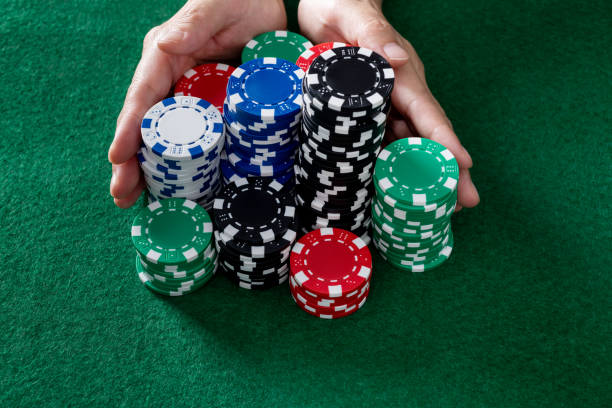
Moreover, the emotional rollercoaster of gambling often affects how players perceive their luck and skill. A lucky win can lead to overconfidence, while a string of bad luck can induce frustration and poor decision-making. Awareness of these emotional responses allows players to adjust their approach to gambling, fostering resilience and a more stable mindset. By balancing the emotional aspects tied to luck with the rational strategies connected to skill, players can enhance their overall casino experience. This awareness can make players more adaptable, allowing them to better manage their expectations and reactions.
Recognizing how psychological factors can influence gambling behavior empowers players to be more conscious of their decisions. This heightened awareness can lead to healthier gambling practices and a more enjoyable experience. As players navigate the world of luck and skill, they can cultivate a mindset that promotes balance and rationality, ultimately leading to a more fulfilling journey in the casino realm. This psychological insight can be a game-changer, transforming the way players approach their time in casinos.
Wrapping Up: The Takeaway for Casino Enthusiasts
In summary, the debate over whether luck or skill is more important for success in casinos reveals a complex interplay between the two. While luck plays an undeniable role in games of chance, the importance of skill cannot be overlooked, especially in games requiring strategy and decision-making. This balance forms the foundation for a holistic understanding of gambling, where both elements contribute to player experiences. A successful player understands this dynamic and adjusts their game strategies accordingly.
Casino enthusiasts should acknowledge the necessity of both luck and skill in their gaming endeavors. By cultivating skills while understanding the unpredictable nature of luck, players can approach gambling with a more informed perspective. This awareness fosters not only better decision-making but enhances the overall enjoyment of their casino experience. Embracing both elements can lead to a richer, more rewarding interaction with games and an appreciation for the complexities of gambling.
Ultimately, successful gambling lies in mastering the equilibrium between luck and skill. By developing skills and accepting luck’s unpredictability, players can enhance their chances for success while enjoying all that the casino experience offers. Understanding these dynamics creates a pathway for a more enriching and engaging journey in the vibrant world of gambling. Players who internalize this understanding are likely to enjoy not only their wins but also the entire experience of gambling, regardless of the outcomes.